
EST. 2017


.png)
My journey started with Rex—my first service dog—who gave me back my independence, calm, and confidence I thought I’d lost. Training him wasn’t just a solution. It was the beginning of something bigger.
My Why
Our Mission
I created REAL K9 Training® to help people and their dogs find the same freedom I did—with a focus on ethical, science-backed methods and a whole lot of heart.
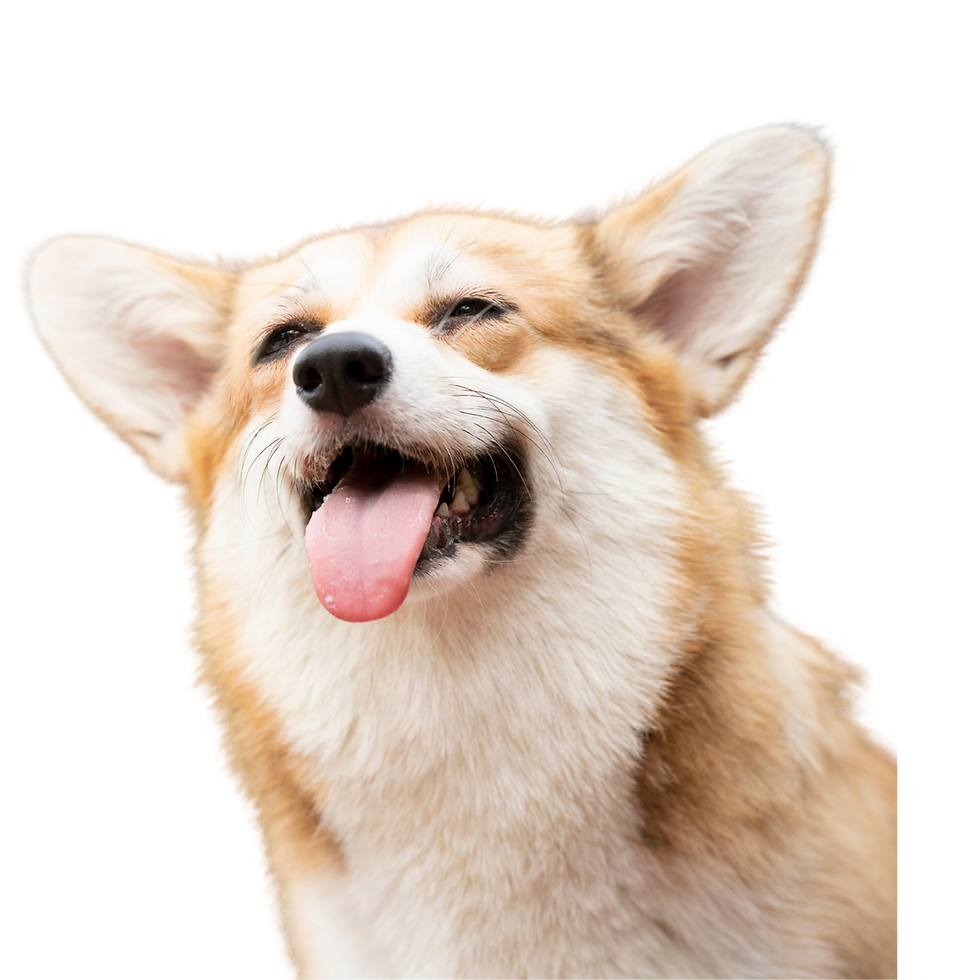


Some of my clients come to me exhausted from chasing a puppy around. Others need a reliable service dog to help them navigate daily life. And some just want a calmer home with their rescue dog. Every training plan is customized, but every one starts with respect, compassion, and results.
How I
Can Help
Certifications & Affiliations
You’re not just looking for someone who loves dogs—you need someone who knows dogs. I’ve built my career on science-based, ethical methods that respect the dog-human bond and produce real results.

.png)


.png)


.png)
I founded REAL K9Training® in 2017 after relocating from Georgia to Colorado, building on years of experiences working with rescue and nonprofit service dog programs. I continue to volunteer my time and expertise with nonprofit service dog organizations, provide ethical, science based training methods and education to help more teams succeed.
With over a decade of professional experience - and more than 20 years of hands-on dog work, I bring both deep knowledge and practical training skill to every session. I've titled my own dogs in CGC, CGCA, CGCU, and Kona holds several Trick Dog titles. I'm also certified in Pet CPR & First Aid through PetTech, ensuring your dog's safety is always a top priority.
As a certified Service Dog Trainer(Atlas CT) on Colorado’s Western Slope, my certification reflects not only knowledge, but demonstrated, reviewed skills — both in training dogs and in teaching their handlers how to train and support them.
I also hold my CPDT-KA, an internationally recognized credential demonstrating knowledge and experience in dog training principles and instruction across a wide range of cases.
Maintaining this certification requires ongoing continuing education, ensuring my training stays aligned with the latest science as it evolves. So you're getting guidance that is ethical, current, and effective in real life — for both you and your dog.


Whether you’re just getting started or feeling stuck, you don’t have to do it alone.
Let’s meet your dog where they are—and train for where you want to go.

Whether you’re just getting started or feeling stuck, you don’t have to do it alone.
Let’s meet your dog where they are—and train for where you want to go.
Treats are a valuable teaching tool, but they aren’t a forever bribe — and food isn’t the only way we reinforce behavior. We use what your individual dog finds rewarding, which may include food, toys, play, sniffing or access to things they enjoy.
And if your dog “isn’t food motivated,” that’s useful information too. A dog who happily eats at home but won’t take food in a particular environment may be telling us the situation is too difficult, exciting or overwhelming. Health, competing distractions and the value of the reward can also play a role.
When your dog is learning, don’t be stingy with rewards! We reinforce generously to build strong skills and positive associations. Once a behavior is well learned, reinforcement can become less frequent and include more everyday “life rewards,” such as getting to sniff, greet someone, go outside or play — whatever is meaningful to your dog.
Training isn’t linear. When distractions or difficulty increase, we may increase the value or frequency of reinforcement again. The goal isn’t to stop rewarding your dog — it’s to use reinforcement thoughtfully so the behaviors we teach stay strong and useful in everyday life.
It’s never too early—or too late—to start training. Puppies benefit from early guidance, especially during the critical socialization period, which occurs primarily during the first 3–12 weeks of life. Experiences during this important developmental stage can have a lasting influence on how a puppy responds to the world around them.
Older dogs can absolutely learn new skills and improve old ones. We tailor our approach to your dog’s age, personality, and learning style.
Training also isn’t a one-and-done process. Skills need to be practiced and maintained throughout your dog’s life, and changes in development, environment or circumstances may mean revisiting the basics along the way.
Our training is grounded in behavioral science and uses reward-based, positive reinforcement methods built on trust, choice and relationship. Our force-free approach does not use fear, pain or intimidation.
And reward-based training is about much more than treats.
Good training starts with the whole dog. We consider your dog’s individual needs, health, environment, natural behaviors, and opportunities for appropriate physical and mental outlets.
We create conditions where your dog is able to learn, breaking skills into achievable steps and adjusting distance, duration and distractions. As your dog succeeds, we gradually build toward more challenging, real-life situations.
We also look beyond the behavior we can see. Especially with fear, reactivity or other behavior concerns, our goal isn’t simply to stop a behavior, but to address the emotions behind it while teaching your dog skills and choices that work better.
Rewards are an important part of training, but they’re only one part of the picture. Effective training means understanding the individual dog, meeting their needs, building clear communication and giving them the skills to succeed in everyday life.
Consistent practice between sessions is an important part of progress, but training doesn’t have to mean long daily sessions. Even a few focused minutes at a time — and incorporating training into everyday routines — can make a meaningful difference.
Just as important is following the recommendations we make for your dog between sessions. This may include training exercises, management strategies, environmental changes or safety measures. These recommendations are part of the training plan, not separate from it.
Your participation and follow-through directly affect your dog’s progress and, particularly with behavior concerns, can also affect safety and long-term outcomes.
Got Questions? We’ve Got Answers
Every dog and every family is different, which means your training journey should be too. Whether you’re wondering about treats, training methods, homework, or what to expect when working with us, our FAQs cover some of the questions we hear most often so you can feel informed and confident before getting started.
Don’t see your question here? Send us a text! We’re always happy to answer questions about our services, and your question may even help us make this FAQ more useful for other dog owners, too.